
Your trusted destination for CME, CPD & Medical Education across the Middle East.
Istanbul Medipol University — International School of Medicine
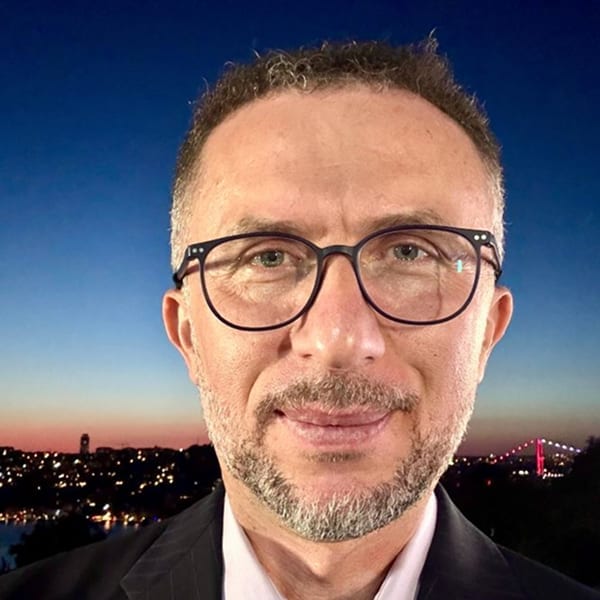
Professor Dr. Süleyman Yıldırım is a Turkish academic, microbiologist, and researcher specializing in medical microbiology, microbial genomics, microbiome research, and molecular biology. He is affiliated with Istanbul Medipol University, where he serves as a professor in the International School of Medicine, within the Department of Basic Medical Sciences and the Division of Medical Microbiology.
Prof. Yıldırım's academic background combines food engineering, biotechnology, microbiology, and genomic research. He earned his undergraduate degree in Food Engineering from Hacettepe University in Türkiye in 1994 and completed a master's degree in Food Biotechnology at Iowa State University in 1999. He subsequently pursued doctoral studies in Microbiology and Microbial Genomics at North Carolina State University, completing his PhD in 2006.
Following his doctoral studies, he undertook postdoctoral research at Yale University School of Medicine, the University of Connecticut School of Medicine, and the University of Illinois at Urbana-Champaign's Carl R. Woese Institute for Genomic Biology. These experiences helped develop his expertise in microbial genomics, molecular biology, and the interactions between microorganisms and their hosts.
His research interests span medical microbiology, microbiome science, molecular genetics, and systems biology. His work has included investigating the relationship between gut microbial communities and neurological disorders, particularly Parkinson's disease and cognitive impairment. He has also contributed to research examining microbial communities in different biological environments and the potential implications of microbiome changes for human health.
In addition to his research activities, Prof. Yıldırım has contributed to university teaching, graduate supervision, academic administration, and research collaboration. At Istanbul Medipol University, he has held professorial responsibilities since 2018 and has served in departmental leadership and administrative roles, including deputy dean between 2014 and 2020.
His scientific work includes peer-reviewed publications in microbiology, molecular biology, biotechnology, and microbiome research. Through his interdisciplinary background and international research experience, he contributes to advancing knowledge of microbial systems and their relationships with human health and disease.
1990–1994 — Undergraduate education
Earned his undergraduate degree in Food Engineering from Hacettepe University in Türkiye, establishing a foundation in biological sciences, food systems, and biotechnology.
1996–1999 — Master's degree in Food Biotechnology
Completed a master's degree at Iowa State University of Science and Technology. His research focused on biotechnology and the optimization of biological product recovery from transgenic corn.
2001–2006 — Doctoral research in microbial genomics
Pursued doctoral studies in Microbiology and Microbial Genomics at North Carolina State University. His dissertation investigated the molecular characterization of epidemic isolates of Listeria monocytogenes, contributing to his expertise in microbial genetics and infectious organisms.
2007–2008 — Postdoctoral research at Yale University
Undertook postdoctoral research at Yale University School of Medicine, gaining further experience in biomedical research and molecular microbiology.
2008 — Postdoctoral research at the University of Connecticut
Continued advanced research training at the University of Connecticut School of Medicine, broadening his experience in medical and molecular research.
2008–2011 — Postdoctoral research at the University of Illinois
Worked at the Carl R. Woese Institute for Genomic Biology at the University of Illinois at Urbana-Champaign, developing further expertise in genomic science and microbial systems.
2013–2014 — Associate professorship
Held an associate professor appointment within the basic medical sciences at Istanbul Medipol University, contributing to medical education and academic research.
2014 — Academic leadership responsibilities
Assumed departmental leadership responsibilities at Istanbul Medipol University, contributing to academic coordination and the development of teaching and research activities.
2014–2020 — Deputy dean
Served as deputy dean at Istanbul Medipol University, supporting academic administration, faculty development, and university-level educational activities.
2014–2018 — Continued academic advancement
Served as an associate professor in the International School of Medicine, continuing his research and teaching in microbiology and related biomedical disciplines.
2018 — Appointment as professor
Advanced to professor at Istanbul Medipol University's International School of Medicine, Department of Basic Medical Sciences. This appointment marked a further step in his academic career and research leadership.
2020–2024 — Microbiome and neurological research
Contributed to collaborative research investigating the relationship between microbiome composition and neurological conditions, including Parkinson's disease and cognitive impairment. This work explored how microbial communities may be associated with changes in neurological health.
2024–2025 — Research on microbiome–host interactions
Continued contributing to interdisciplinary research examining microbiome signatures, microbial ecology, and the interactions between microbial communities and human health.
2026 — Continued scientific publications
His academic publication record includes ongoing work in microbiology, microbiome science, and related biomedical research, with publications appearing in international peer-reviewed journals.
Istanbul Medipol University — International School of Medicine
Sidra Medicine
Sidra Medicine