
Your trusted destination for CME, CPD & Medical Education across the Middle East.
Harvard Medical School, Massachusetts General Hospital, United States
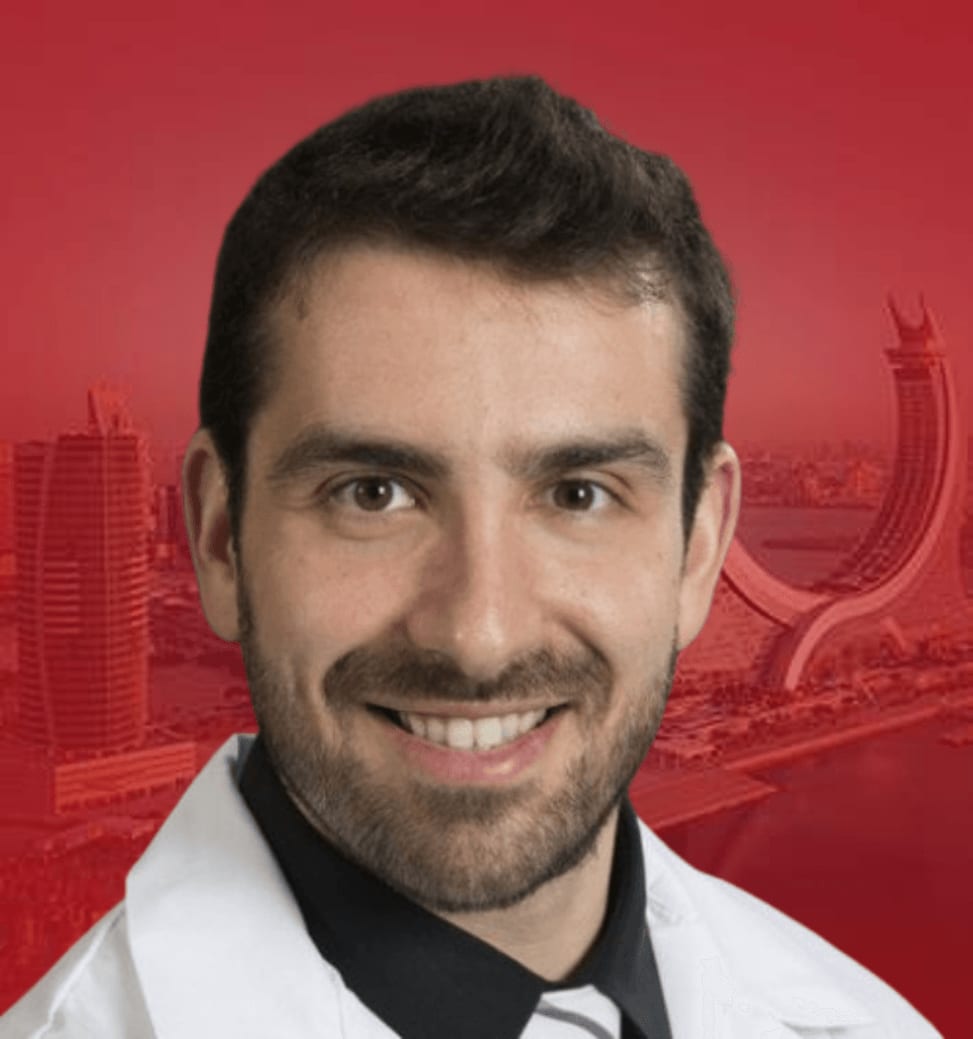
Dr. Hanny Toban Al-Samkari, MD is an American classical hematologist, clinical investigator, and medical educator at Massachusetts General Hospital (MGH) and Harvard Medical School. His clinical and research work focuses on hemostasis, thrombosis, bleeding disorders, hemolytic anemias, hereditary hemorrhagic telangiectasia (HHT), immune thrombocytopenia, pyruvate kinase deficiency, thalassemia, and other non-malignant hematologic disorders. He is currently the Peggy S. Blitz Endowed Chair in Hematology/Oncology at Massachusetts General Hospital and Associate Professor of Medicine at Harvard Medical School.
| CategoryDetails | |
| Full name | Hanny Toban Al-Samkari, MD |
| Profession | Physician, Hematologist, Clinical Investigator, Medical Educator |
| Specialty | Classical Hematology |
| Current institution | Massachusetts General Hospital (MGH), Boston, USA |
| Academic institution | Harvard Medical School |
| Current academic rank | Associate Professor of Medicine |
| Current MGH position | Peggy S. Blitz Endowed Chair in Hematology/Oncology |
| HHT role | Co-Director, MGH Hereditary Hemorrhagic Telangiectasia Center of Excellence |
| Research focus | Hemostasis, thrombosis, hemolysis, bleeding disorders, red-cell disorders |
| Medical degree | Washington University in St. Louis |
| Residency | Hospital of the University of Pennsylvania |
| Fellowship | Dana-Farber Cancer Institute/Massachusetts General Hospital |
| Board certification | Internal Medicine and Medical Oncology |
| Research funding | NIH-funded clinical investigator |
| Major research areas | HHT, immune thrombocytopenia, hemolytic anemia, pyruvate kinase deficiency, thalassemia, thrombosis and chemotherapy-induced thrombocytopenia |
Dr. Al-Samkari earned his MD from Washington University in St. Louis in 2011. During his medical education, he was elected to Alpha Omega Alpha (AOA), a national medical honor society.
He subsequently completed his internal medicine residency at the Hospital of the University of Pennsylvania. During residency, he served as Chief Medical Resident, an important early leadership and teaching position.
He then completed fellowship training in Hematology and Medical Oncology through the combined Dana-Farber Cancer Institute/Massachusetts General Hospital program, completing the fellowship in 2018. His fellowship marked a transition toward a career focused heavily on classical, or non-malignant, hematology and clinical investigation.
During his fellowship, he developed research interests in thrombosis, hemostasis, platelet disorders and novel therapies for hematologic disease. He worked under the mentorship of prominent hematologists, including David Kuter, MD, DPhil, who became an important influence on his development as a classical hematologist and clinical investigator.
In 2018–2020, Al-Samkari was also supported by the NBDF-Takeda Clinical Fellowship, through which he developed additional clinical and research expertise in hemophilia and rare bleeding disorders. His fellowship mentorship included physicians at Boston Children's Hospital and Massachusetts General Hospital.
His early research involved thrombopoietin receptor agonists, platelet disorders and bleeding conditions. During this period, he also became increasingly involved in the care and investigation of patients with hereditary hemorrhagic telangiectasia (HHT).
HHT has become one of the central areas of Dr. Al-Samkari's clinical and research career.
HHT is an inherited vascular disorder characterized by abnormal blood vessels that can result in recurrent bleeding, particularly nosebleeds and gastrointestinal bleeding, as well as anemia and other complications.
At Massachusetts General Hospital, Al-Samkari became involved in developing the institution's HHT clinical and research program. He currently serves as Co-Director of the MGH Hereditary Hemorrhagic Telangiectasia Center of Excellence and cares for a large population of patients with HHT.
His research has investigated systemic treatments for HHT, including anti-angiogenic therapies. Harvard Catalyst highlighted his work evaluating low-dose oral pazopanib, which demonstrated substantial reductions in bleeding and improvements in anemia in patients with HHT and helped provide the rationale for subsequent prospective clinical trials.
He has continued investigating therapies for HHT, including pomalidomide, and his 2026 research has examined characteristics associated with clinical response to this treatment.
A major component of Al-Samkari's work concerns the mechanisms and treatment of bleeding and clotting disorders.
His research encompasses:
He has also investigated biomarkers associated with thrombosis. During the COVID-19 pandemic, his research examined prothrombin fragment 1.2, a marker of coagulation activation, and its ability to identify hospitalized patients at increased risk of thrombosis.
Another major research area is hereditary hemolytic anemia and red-cell enzyme disorders, particularly pyruvate kinase deficiency.
Dr. Al-Samkari participated in clinical research evaluating novel therapies for pyruvate kinase deficiency. A Phase 3 clinical trial conducted by MGH researchers and international collaborators contributed to the subsequent FDA approval of an oral therapy for adults with pyruvate kinase deficiency in 2022.
His clinical interests also include thalassemia and other inherited red-cell disorders, placing his work at the intersection of classical hematology, rare diseases and therapeutic development.
Clinical investigation is a major part of his professional work. Massachusetts General Hospital describes him as an NIH-funded clinical investigator who serves as principal investigator for multiple clinical trials involving non-malignant hematologic disorders.
His trials and research programs have investigated therapies for:
In a Harvard Catalyst interview, he described clinical investigation as an important component of patient care because clinical trials can provide patients with access to emerging treatments while simultaneously generating evidence for future medical practice.
Dr. Al-Samkari has developed a substantial peer-reviewed publication record. Massachusetts General Hospital reports that he has authored more than 140 peer-reviewed manuscripts, as well as numerous book chapters. His research has appeared in major journals including:
His more recent publications demonstrate his continuing research activity. In 2026, for example, he co-authored an article on mitapivat for sickle cell disease, published in Annals of Translational Medicine. The article examined the emerging therapeutic rationale and clinical-development landscape for pyruvate kinase activation in sickle cell disease.
Another 2026 publication examined clinical response to pomalidomide in hereditary hemorrhagic telangiectasia, reflecting his continuing focus on novel treatments for HHT.
He also co-authored a 2026 special report discussing the use of composite hematologic measurements in HHT and other chronic bleeding disorders.
Dr. Al-Samkari has also contributed to hematology education and publishing.
He is currently listed by Massachusetts General Hospital as the Executive Editor of Hematology: The ASH Education Program, a peer-reviewed publication associated with the American Society of Hematology.
His editorial and educational activities complement his clinical research, particularly in the field of classical hematology.
Dr. Al-Samkari has maintained a strong commitment to medical education throughout his career.
During his residency he served as Chief Medical Resident, and he subsequently participated in educational initiatives involving medical students, residents and physician assistants. The National Bleeding Disorders Foundation also describes him as a contributor to the American Society of Hematology's Benign Hematology Curriculum Initiative.
He completed Harvard Catalyst's Clinical and Translational Research Academy in 2021 and previously participated in the KL2/CMeRIT Medical Research Investigator Training Program. These programs helped strengthen his expertise in clinical and translational research methodology.
| PeriodAchievement | |
| 2011 | Earned MD from Washington University in St. Louis. |
| 2011–2015 | Completed internal medicine residency at the Hospital of the University of Pennsylvania. |
| Residency | Served as Chief Medical Resident at the University of Pennsylvania. |
| 2015–2018 | Completed Hematology and Medical Oncology fellowship through the Dana-Farber Cancer Institute/Massachusetts General Hospital program. |
| 2018–2020 | Received NBDF-Takeda Clinical Fellowship focusing on hemophilia and rare bleeding disorders. |
| Fellowship period | Developed major research interests in classical hematology, thrombosis, hemostasis and novel therapeutics. |
| 2021 | Completed Harvard Catalyst Clinical and Translational Research Academy. |
| 2021 | Published/advanced research on systemic therapies for HHT, including pazopanib. |
| 2022 | Research from an international Phase 3 trial contributed to FDA approval of an oral therapy for adult pyruvate kinase deficiency. |
| 2022 onward | Continued leadership of HHT clinical research and development of therapeutic trials at MGH. |
| 2026 | Current position includes Peggy S. Blitz Endowed Chair in Hematology/Oncology at MGH and Associate Professor of Medicine at Harvard Medical School. |
| 2026 | Continued publications in HHT, sickle cell disease and chronic bleeding disorders. |
Clinical specialties
Research specialties
Massachusetts General Hospital (MGH)
Boston, Massachusetts, USA
Current roles:

MeetingMinds Experts
MeetingMinds Experts